What world does personal alignment make possible?
The practice
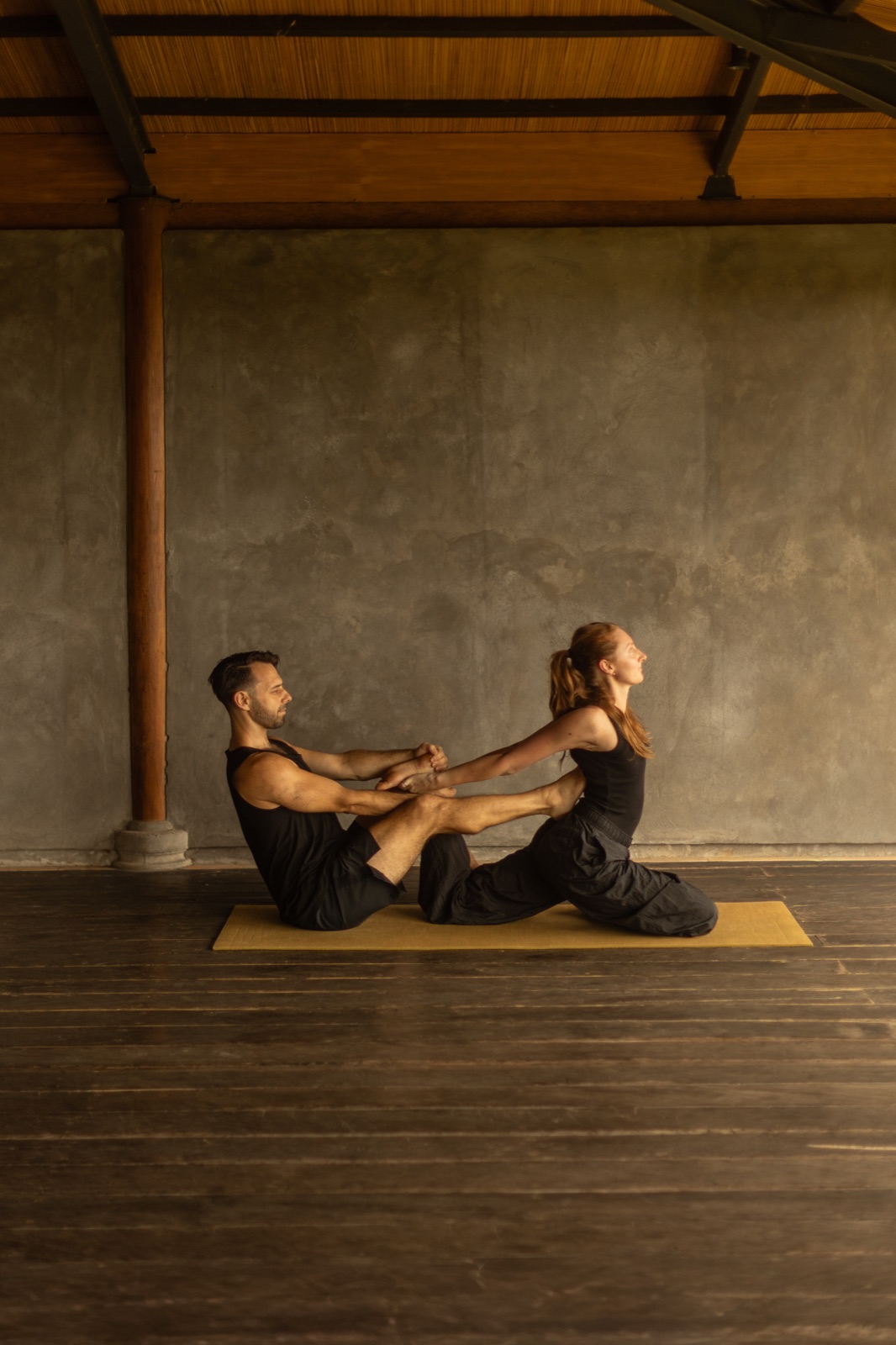
Third Hand is a holistic practice that supports personal insight, healing, and creative transformation through mindfulness and somatic alignment.
Drawing on yoga and functional conditioning alongside creative process and relational thinking, we work with the way the body carries experience and the mind gives it meaning. Practice builds physical strength while deepening awareness and nervous-system regulation. Over time, patterns and imbalances become easier to recognize and respond to. This creates more capacity and steadiness, especially when feeling stuck, giving creative energy space to move.
I believe any act is inherently creative — a poem is creative work, so is a new direction for a business, or a boundary defined with someone you love. Third Hand attends to the conditions that enable us to bring these into form.
How we work together
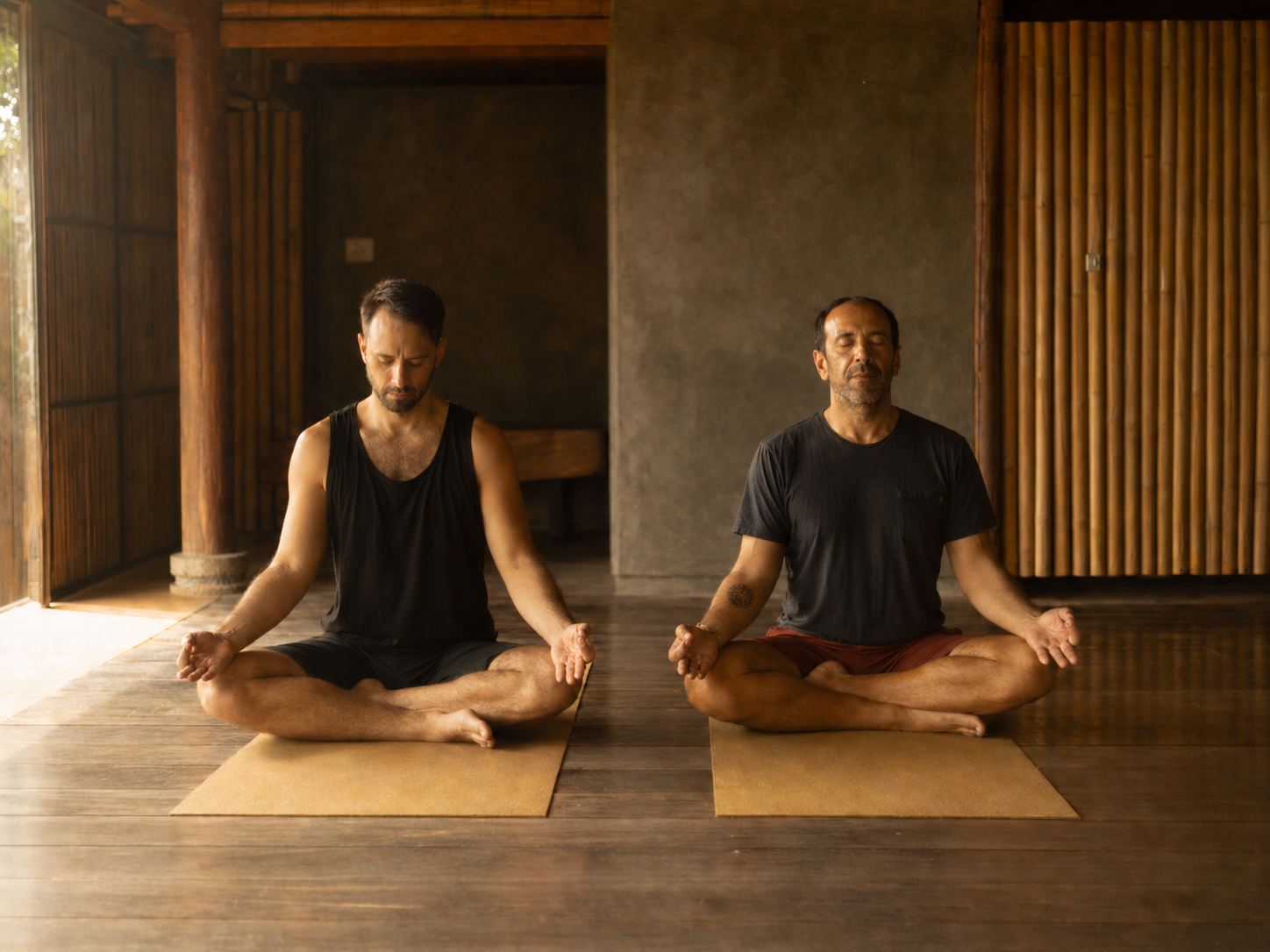
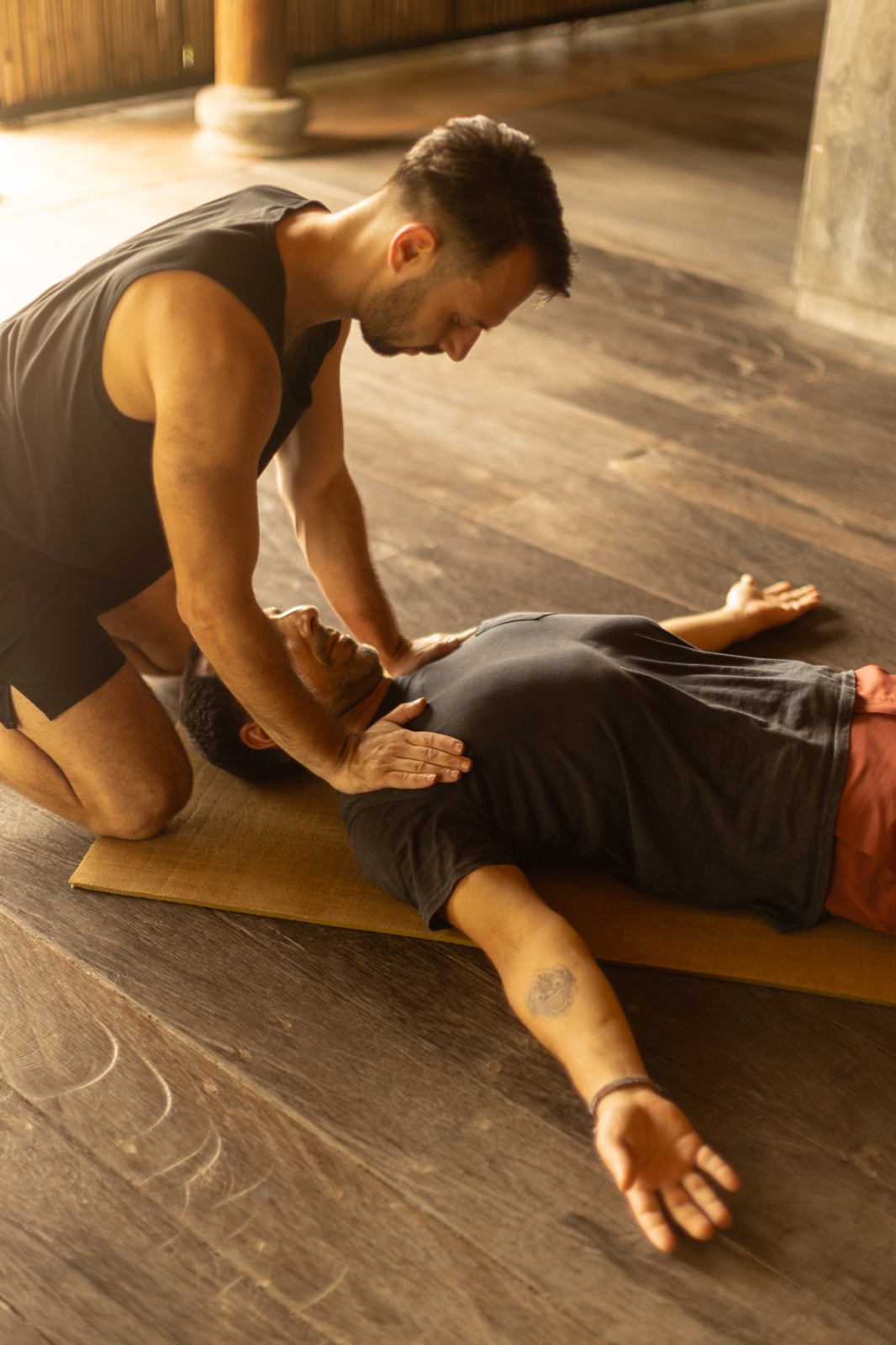
1:1 sessions are restorative in pace and structure. We begin by sensing into and allowing what is present to surface, physically and emotionally. As we organize the body, identifying blind spots in habitual thinking or movement, we discover where in our emotional or social lives that structure could benefit from more freedom, or where flexibility could benefit from stronger boundaries.
As every day is different, sessions focus on cultivating methods to self-regulate through highs and lows. We develop safety and release through somatic awareness and mental clarity, depending on what the day calls for.
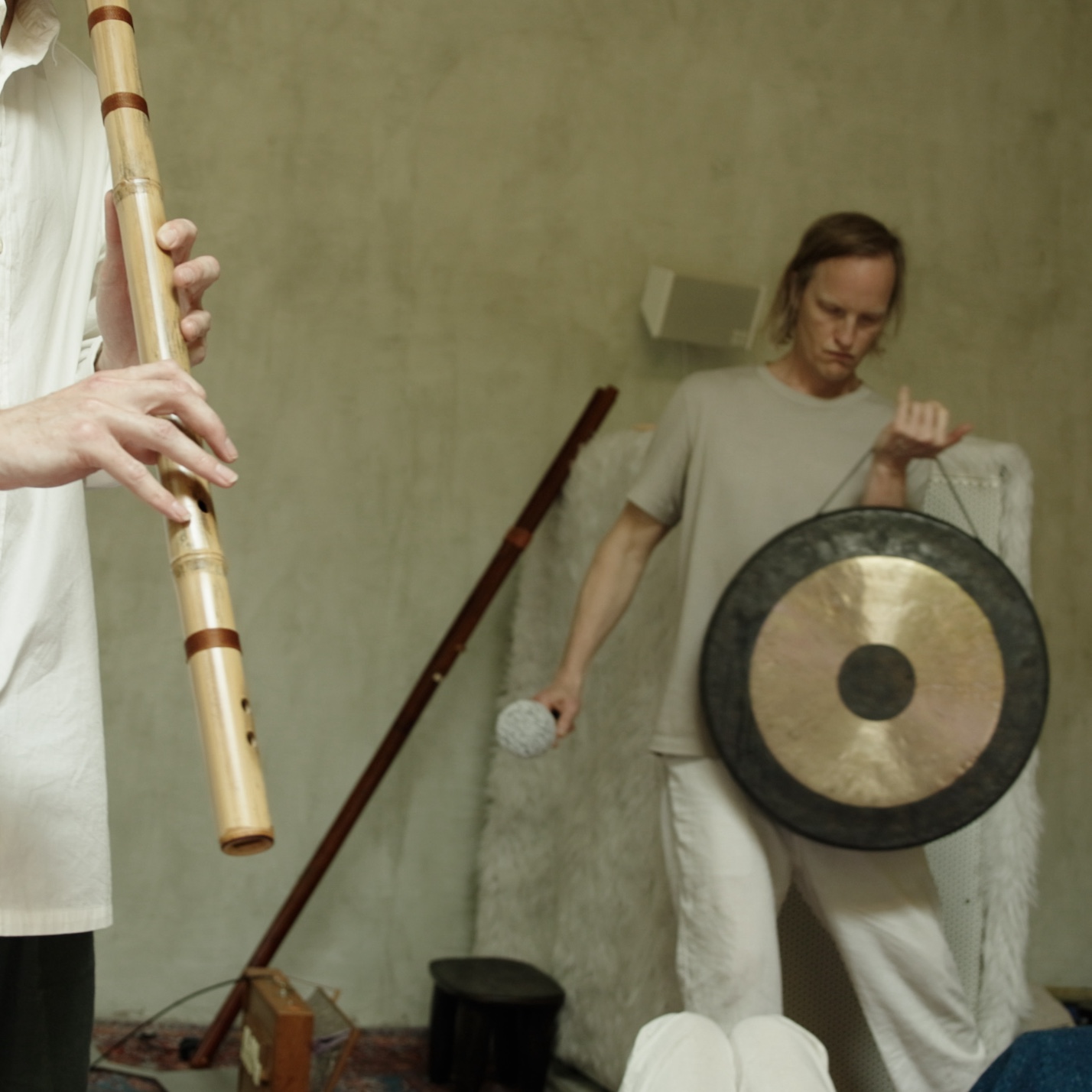
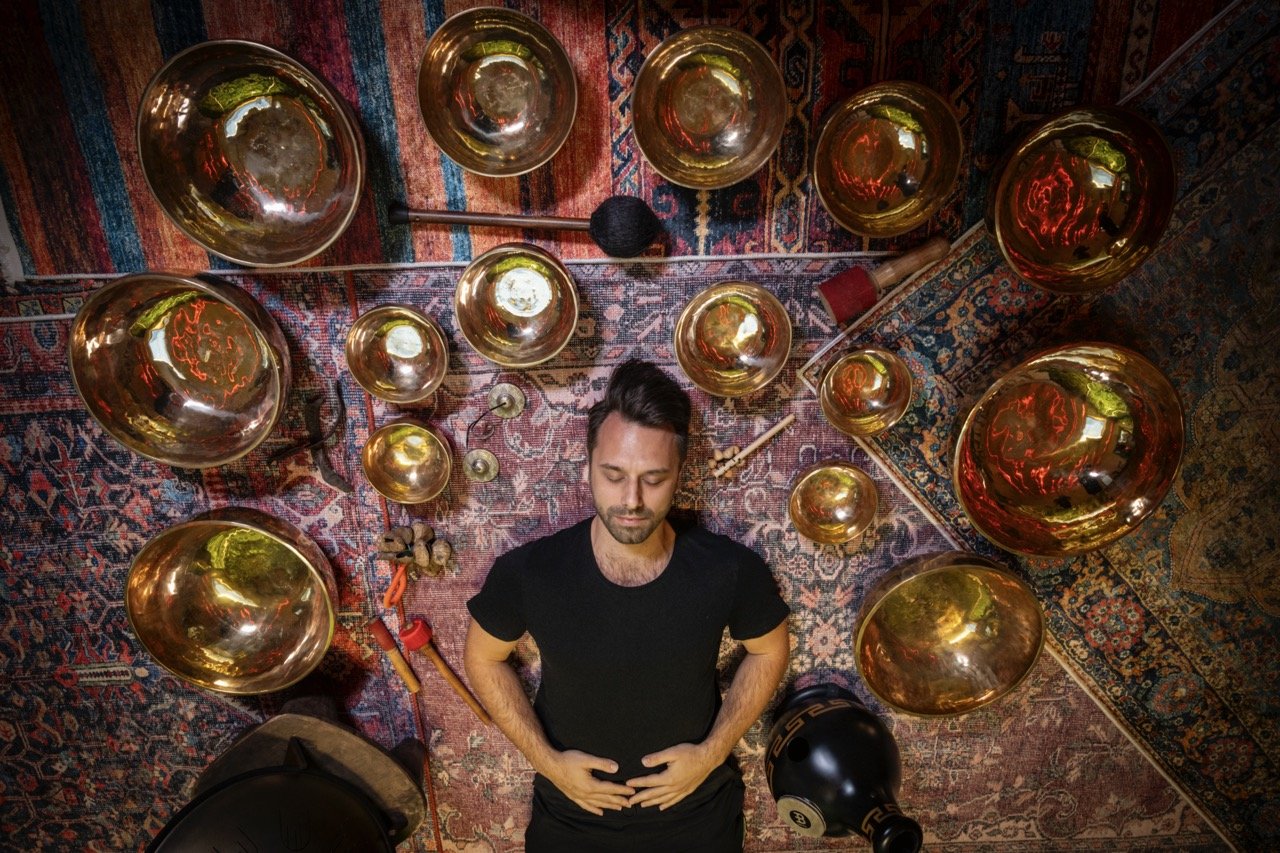
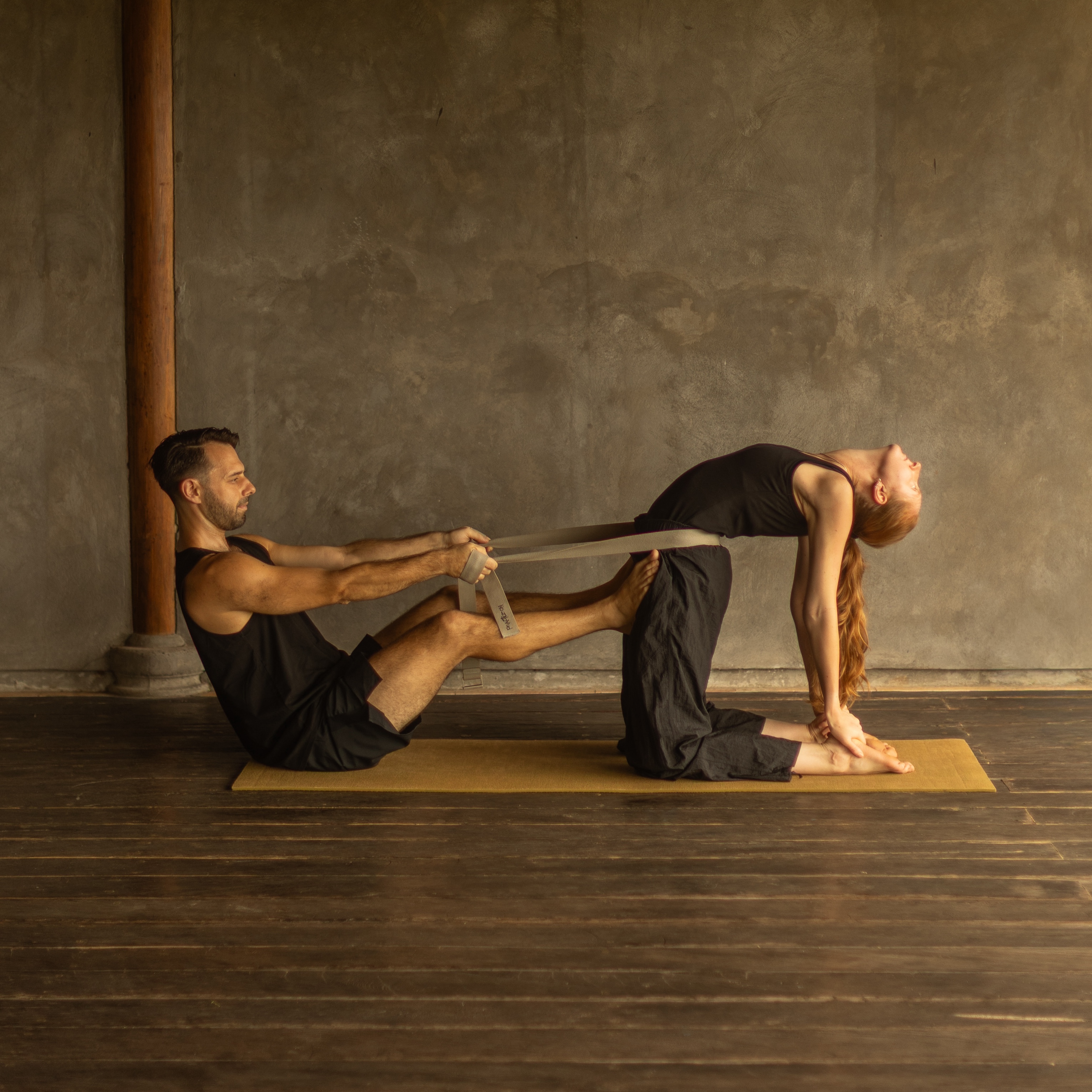
The practices I draw on sit across a wide range — structured and unstructured, embodied and cerebral, solitary and relational. Yoga and functional conditioning give the body form and strength. Meditation and breathwork settle the nervous system enough that quieter signals can be heard. Sound and voice open channels of expression that thinking alone doesn’t reach. As every day is different, a combination of practices enables insight through repetition and playfulness through variation.
Men’s 1:1 practice
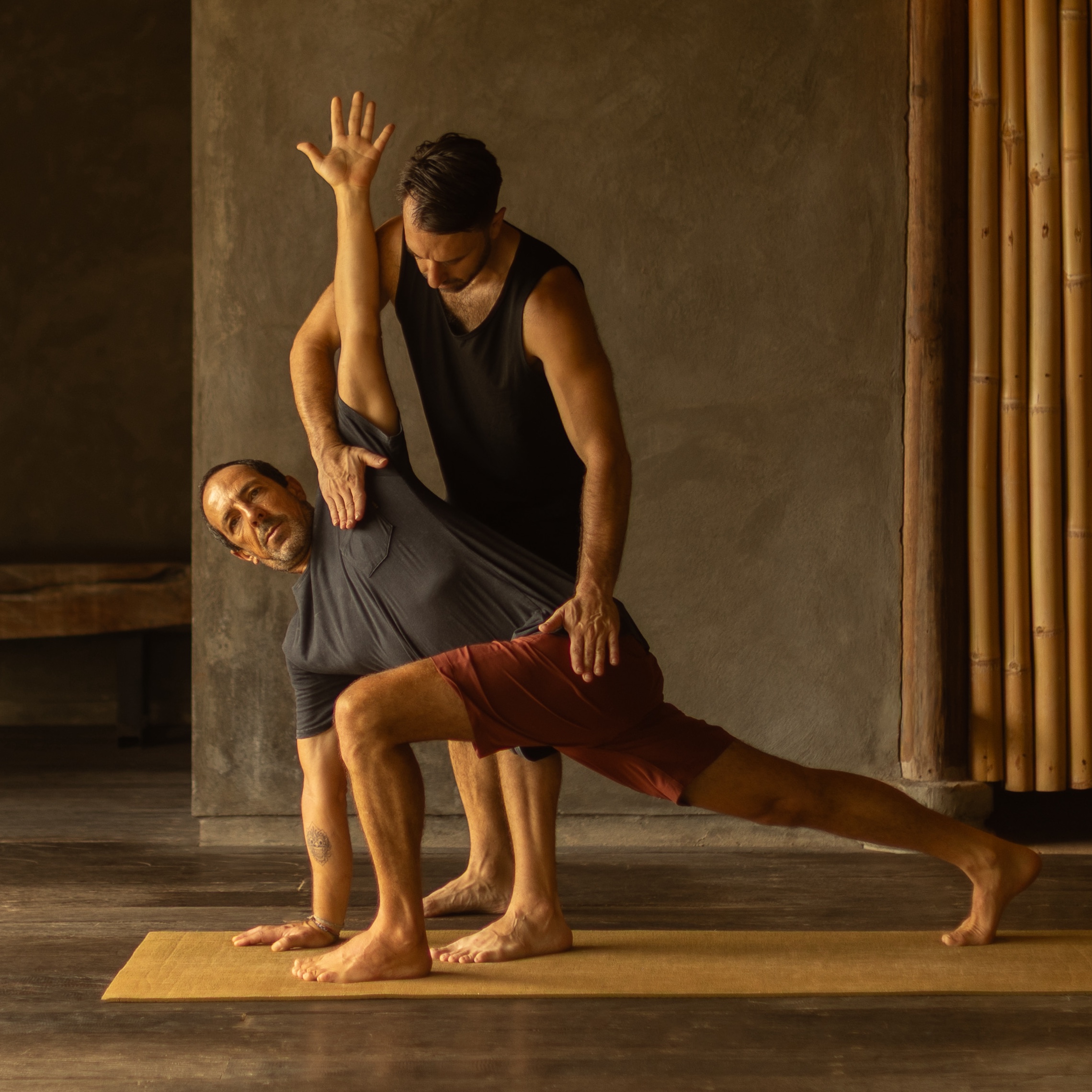
I also hold a men’s 1:1 offering specifically. Men often arrive having had less access to embodied, expressive, or emotionally legible practices — trained toward output and performance more than toward sensing or release.
Strength without tenderness is just armor. And armor, worn long enough, becomes the body itself. Restorative yoga loosens habits of force and bracing that men often experience, supporting balance, flexibility, mobility, and functional strength. These sessions create room for that access to develop, at whatever pace it needs.
Group practice
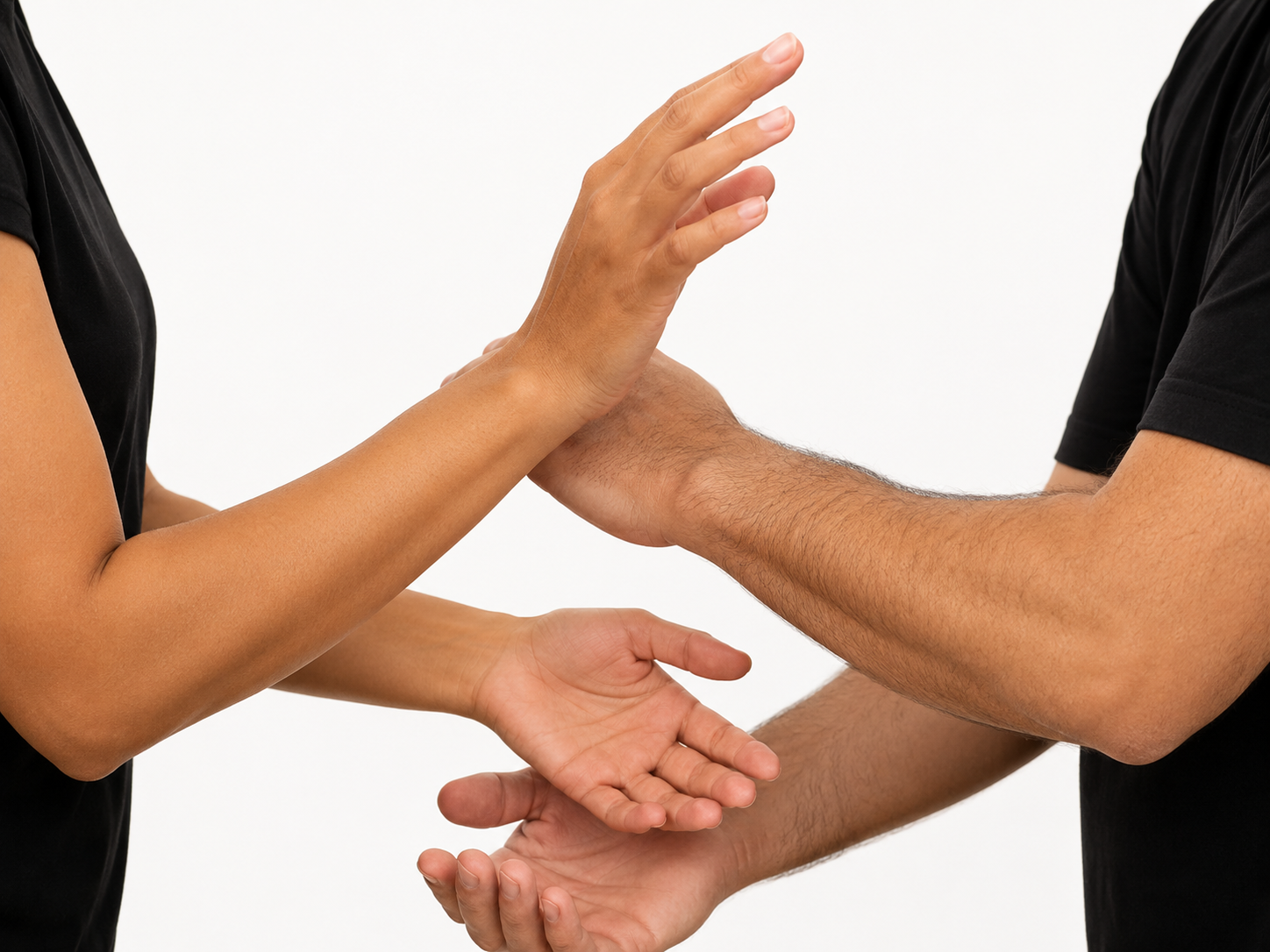
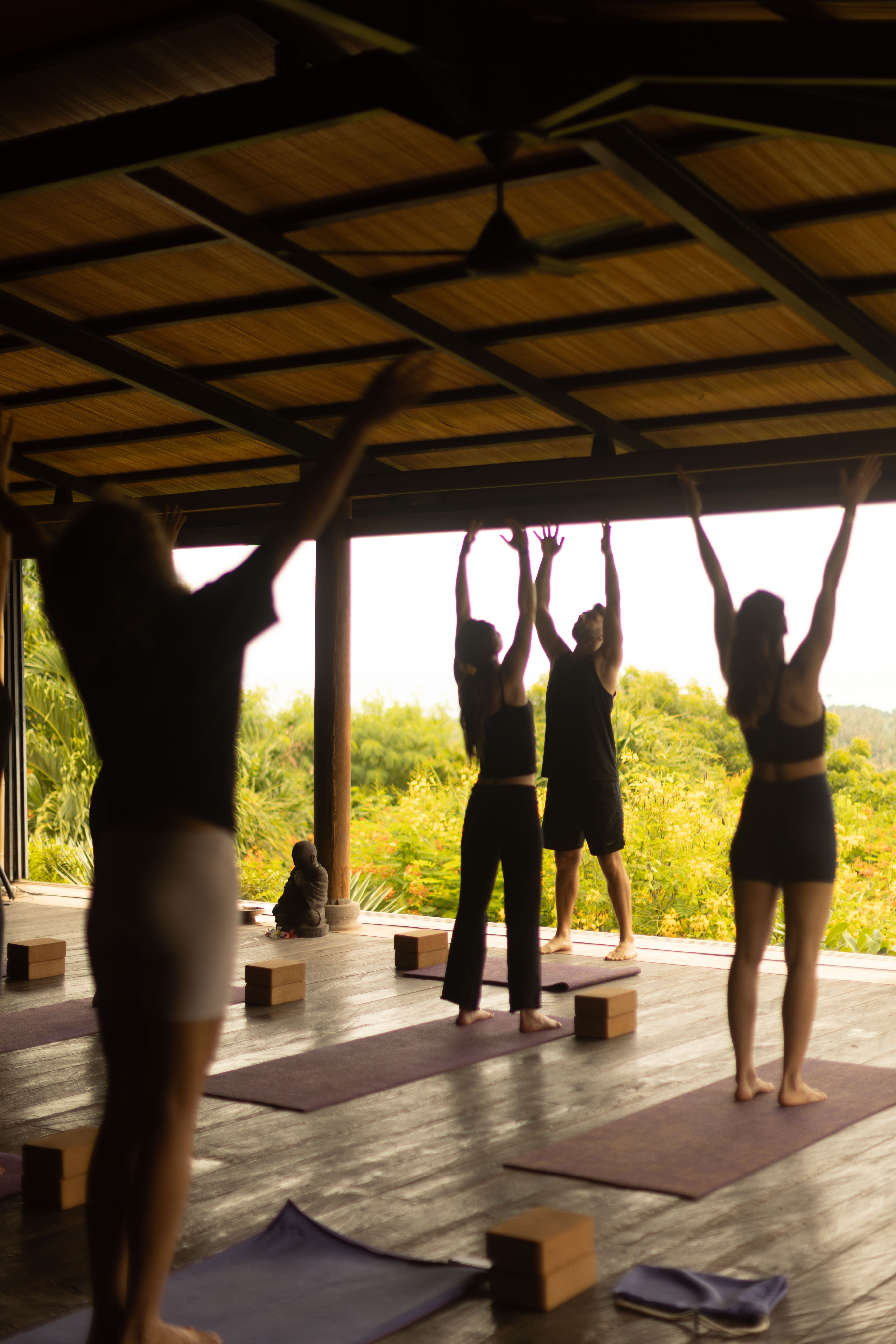
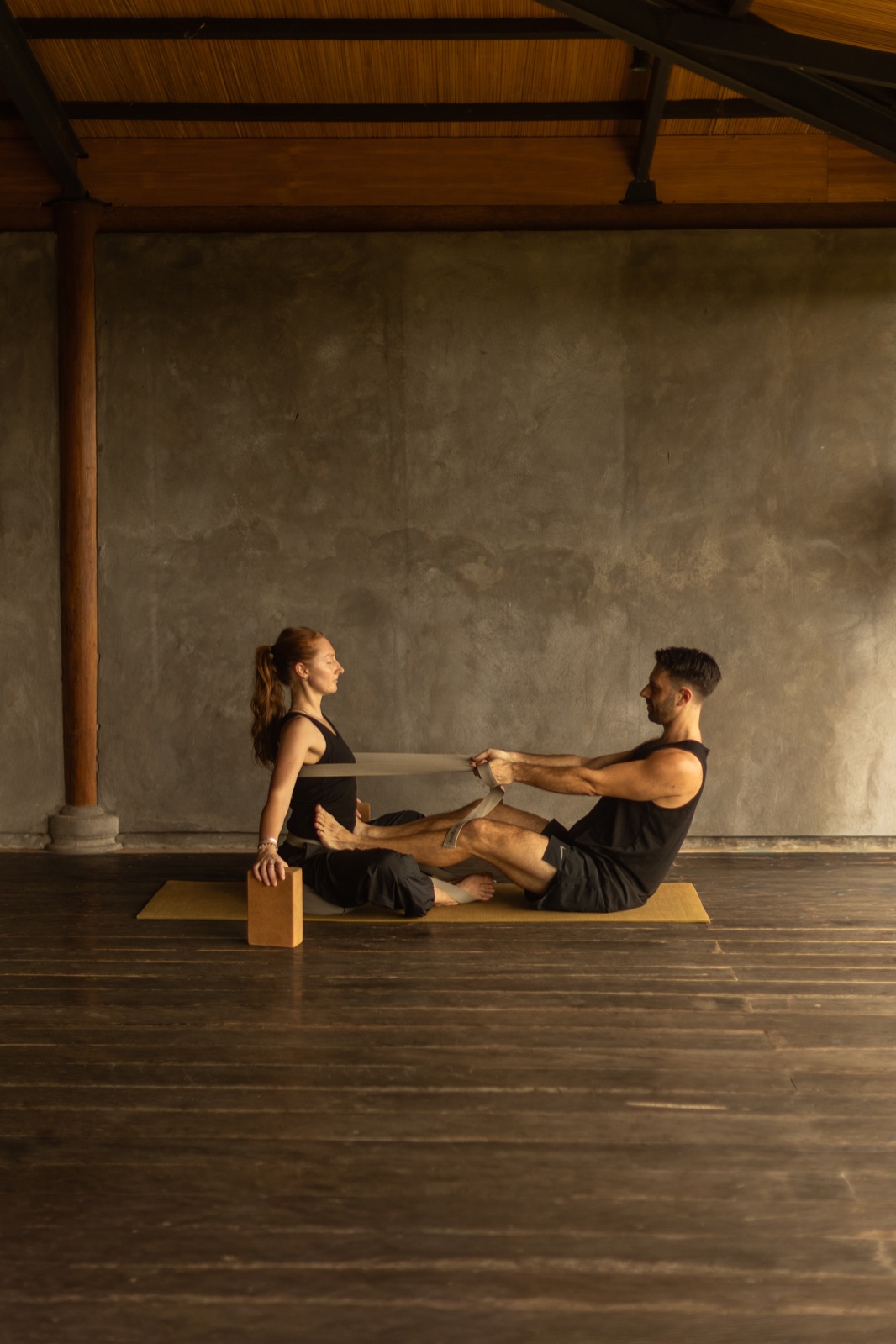
In group contexts, we explore relational dynamics and collective resonance: how attention, expression, and energy move between people. Practices that give us access to shared states, like synchronized movement, breathwork, vocal harmonization, and intentional listening, allow us to experience ourselves and the social body at the same time.
I think of these containers as a permissioned creative field: a shared, non-competitive environment where each person can give themselves permission to experiment, participate, and be surprised. We are all students and teachers. In being seen and seeing others, we learn what is authentic vs performative. And for times when performance is the intention, nervousness mixed with a few drops of love quickly becomes excitement.
Systems of Knowing
In yogic philosophy, the Third Hand is where the personal, the implicit, meets the world, the explicit. In tinkering, a Third Hand is a useful tool that serves as an extra pair of “hands” to weld together wires. In this way, it is the point of contact that enables currency to flow.
Developmental psychology describes a path from ‘embeddedness’ (you are immersed in an experience or identity and cannot fully see it), to ‘differentiation’ (you gain distance from it, recognize patterns, and develop greater autonomy), through to ‘integration’ (you reconnect with experience consciously, incorporating it into a larger and more flexible self).
Incorporated into a system of knowledge: ‘first hand’ is what we know through direct experience. ‘Second hand’ is what we are imbued with and inherit—patterns, teachings, stories, and ways of responding handed down through family, culture, and experience. Third Hand, this method, is a practice in support of integration. We work to recognize how inherited patterns live in perception, the nervous system, and behavior; understand what they once made possible; and develop responses that fit the life you are living now. Insight becomes embodied choice, as orientation, along with a map, becomes direction.
Alignment is not a fixed state to arrive at, but the ongoing work of living in relationship to spectrums and polarities: what’s personal and shared, as we continually return to awareness of what is present. I’ve written more about how I arrived at this understanding of alignment and embodied practice — see Are we aligned? for more backstory on the origins and structure of Third Hand as a practice.
How to Begin
Book a session to explore methods for healing and creativity, or schedule a free intro call.
Project Credits & Information
- Project type
- Practice
- Partner
- —
- Agency
- —
- Role
- Facilitation, Yoga, Breathwork, Meditation, Sound
- Credits
- Maximilian Lauter
- Press
- —
- Website
- Third Hand
- Date
- Ongoing