Are we aligned?
The Invisible Architecture of Finding Center
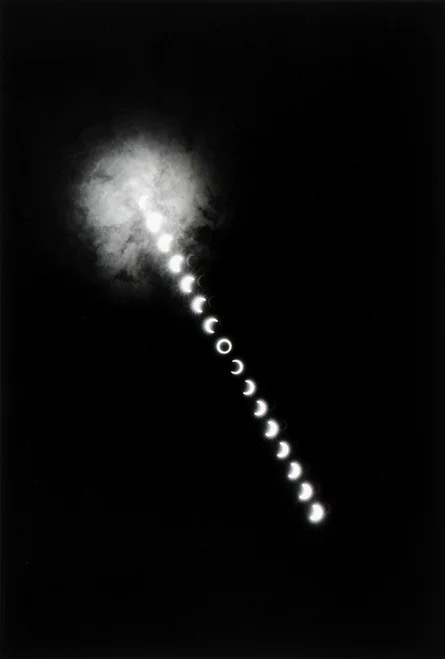
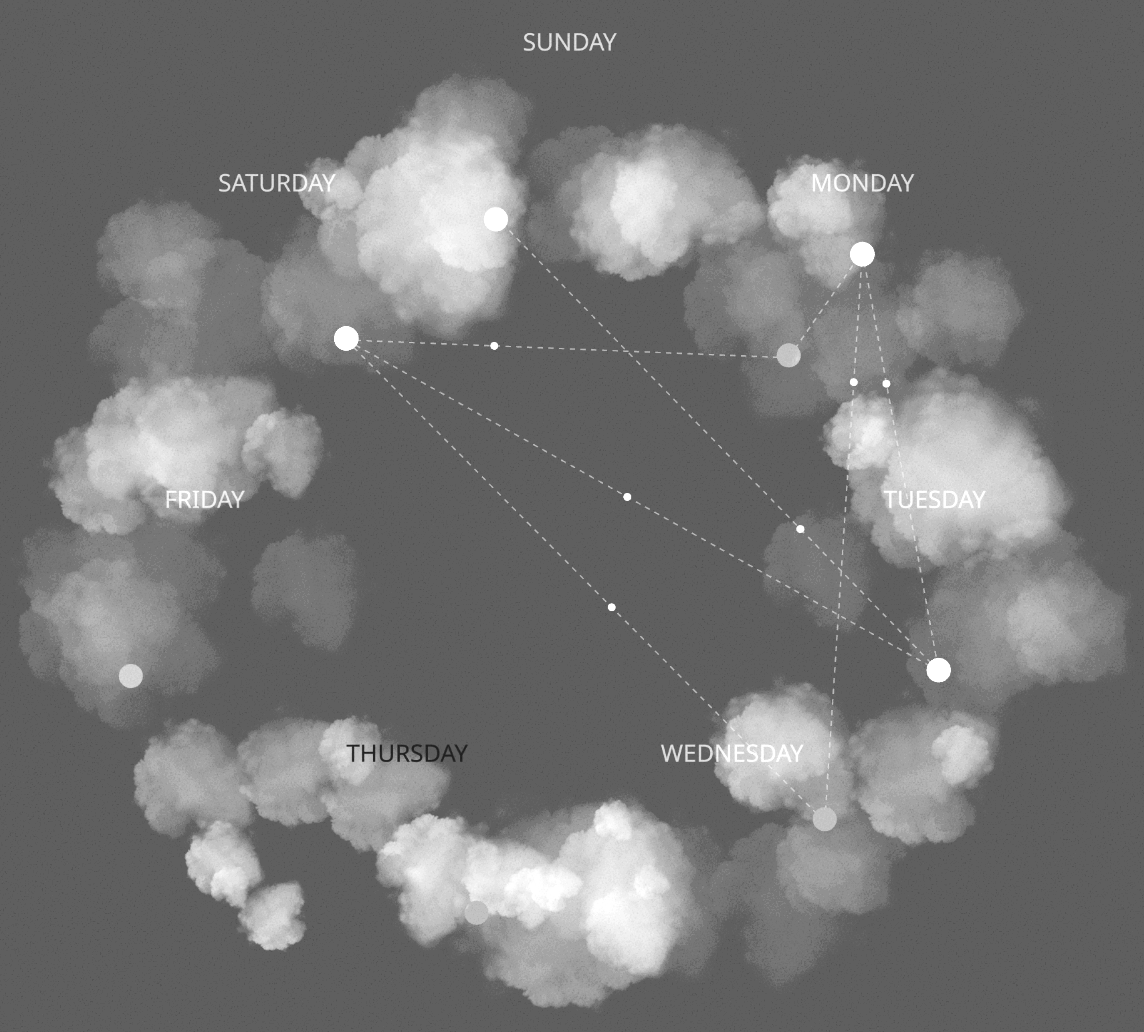
“Alignment” is one of those words that sounds like it should help. In corporate speak it gets used like a mystical precondition — either we are not aligned and must be brought into alignment. Or everyone agrees, having nodded our way to consensus, bent to shape, as if we all feel the same thing. In practice, alignment behaves less like a posture and more like a state. Like weather, it drifts, shifts with pressure, and responds to time, stress, context, relationship, fatigue, and desire.
The same myth shows up in inner work. Center is often imagined as a stable point we earn through discipline and then hold, like a permanent address. My experience has been messier. Center keeps moving because I keep moving. If center exists at all, it is something we have to keep finding — a relationship being negotiated, a place we must continually arrive at rather than remain within.
The paradox of “the work”
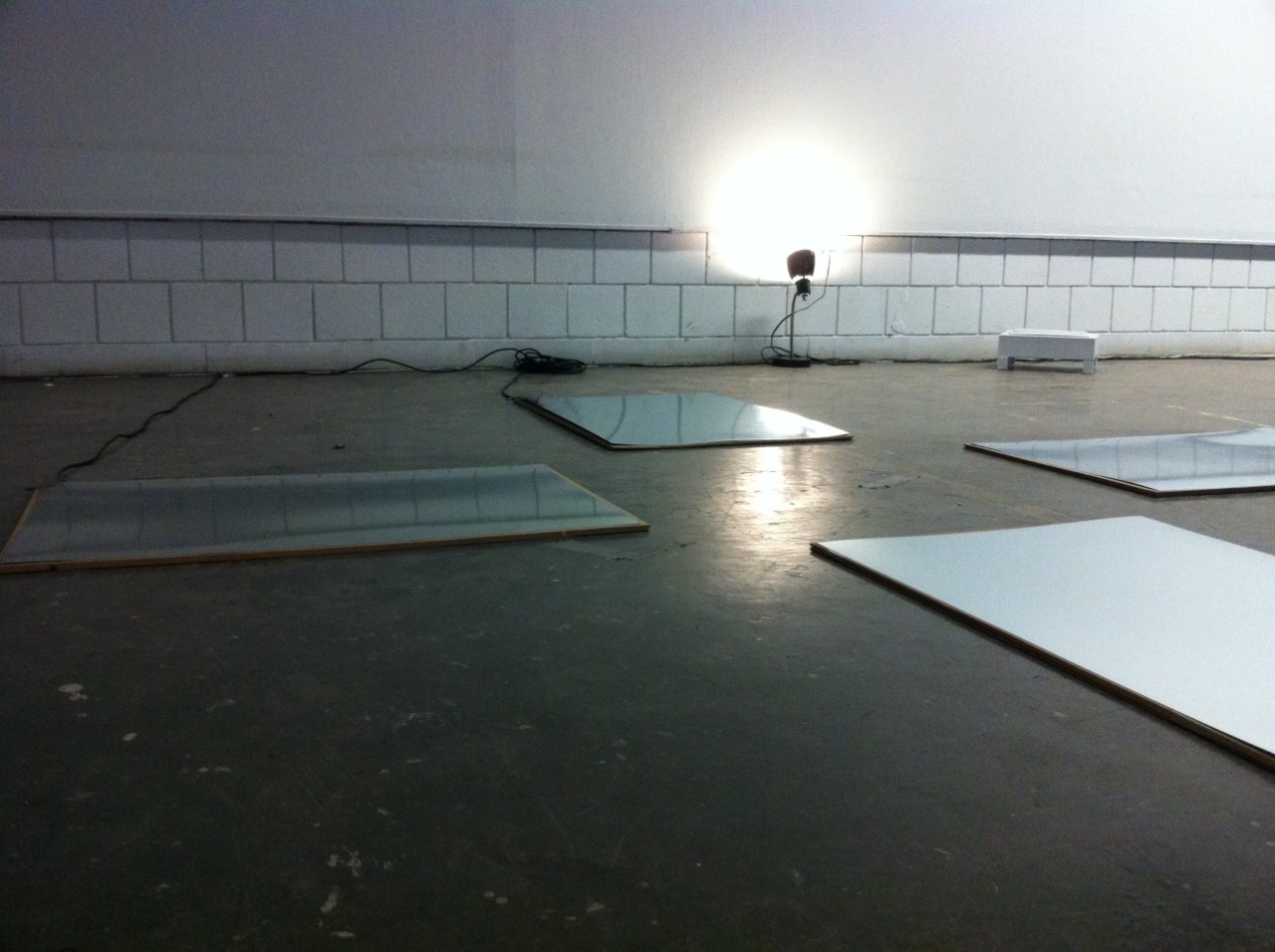
Before I came into producing across art and tech, I was an artist working with systems, attention, and embodiment. A 2011 participatory installation I made, Meditation Technology, invited and challenged a group to hold attention together, through a sort of collective consciousness, in order to arrive at a stable sonic environment. The entanglement of technology, somatic experience, and social performance has been a thread for me for a long time. What I was trying to work through was how, if at all, a technological system could support both inner and group transformation. Center, I learned, is less a place than a capacity — the ability to return, again and again, under real conditions, in response to inner, relational, and systemic forces.
Later, in my professional career building process and leading groups of artists, executives, and engineers through unfamiliar collaborations, I sharpened my intuition for reading rooms: catching where attention was migrating, noticing when a small lag in someone’s response meant a private objection, sensing the moment a group was about to commit or to break. The most underrated skill in that work, or any work really, is emotional intelligence.
For all the processes I developed at work, however, little of that translated into anything I could use for my own life direction. The same systemizing impulse that I trusted with groups eventually wanted to find a system for myself, so I tried to turn it inward. I had a curatorial impulse to organize my practices, but there was no map. The catalog of available practices was immense — yoga across multiple lineages, esoteric and scientific breathwork, visualization and meditation from Buddhism to Jung, mantra and sound work — and the noise of the options became its own kind of paralysis. Attention is a living resource, and I was struggled with being both unregulated and lost in the soup of possibility. The problem wasn’t motivation. It was orientation and direction.
Yoga and the body as house
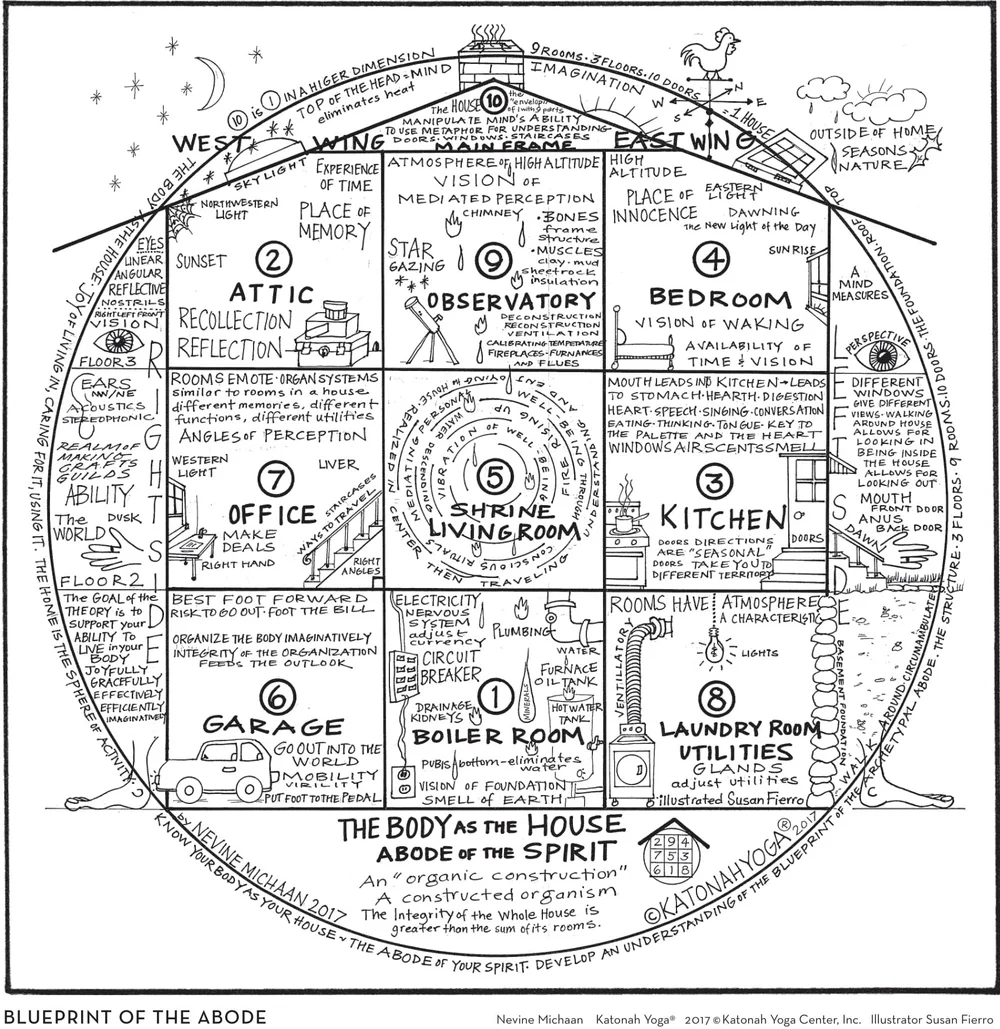
My curatorial training was in a school of architecture, so I already thought about ideas spatially — proximity, scale, threshold, weight, the relationship between an object and its enviornment. Learning yoga and meditation across lineages opened a world for me of visual and auditory meditations, a kind of spatial imagination, as I explored practices across Hinduism, Buddhism, and global indigenous cultures. But what I didn’t have was a framework for applying these ideas to my life—how to capture the essence of "being" in the act of "doing". Katonah Yoga, developed by Nevine Michaan, provided one way to integrate and explore these dimensions of self. Katonah brings an esoteric Taoist system — the lo shu, a 3×3 magic square central to certain Chinese cosmologies — into a spatial metaphor that treats the body as a house. The metaphor is meant to do work. Houses have thresholds, load-bearing walls, rooms of personal sanctary and rooms wherein you entertain friends. In this framing, center is less a location you can return to than a relationship you keep negotiating — between front body and back, right and left, inside and outside. The rooms are dimensions of the psyche, and intentionally are mapped into polarities trinities. You explore it by working the geometry, by noticing which dimensions you’ve been oriented towards, and which deserve more attention.
A spatial metaphor becomes a map
If center exists between polarities, and if the rooms keep shifting depending on what life is asking, then a practical question opens up. Which rooms am I living in right now, and which am I avoiding?
Through my company Togethering, my friend and business partner Chris Lunney and I had been looking for ways to map practices into an ecosystem that could hold both personal and group dynamics. We didn’t have a singular tool that did the job, so I set out to build one. It’s called the Multi Modality Mapper.
The goal of this tool was to map a variety of practices to assess where I currently land across a field of “alignment” practices. That gave me three working axes for placing a practice. Each one can be located somewhere along internal ↔ external (whether it turns attention inward or out toward the world), embodied ↔ cerebral (whether it works through sensation or through thought), and unstructured ↔ structured (whether it follows form or lets form emerge). Three axes is enough to give a practice a location, and enough to give a day a reading.
- Am I living entirely in structure, using discipline to avoid feeling?
- Am I hiding in freedom, refusing to commit to form?
- Am I stuck in internal sensing, ignoring the world?
- Am I lost in external performance, hollowed out by relationship?
Once I started reading my own week through those polarities, the next question followed: which practices could I match to which states? What would I have to know about any given practice to recognize whether it served what was needed today?
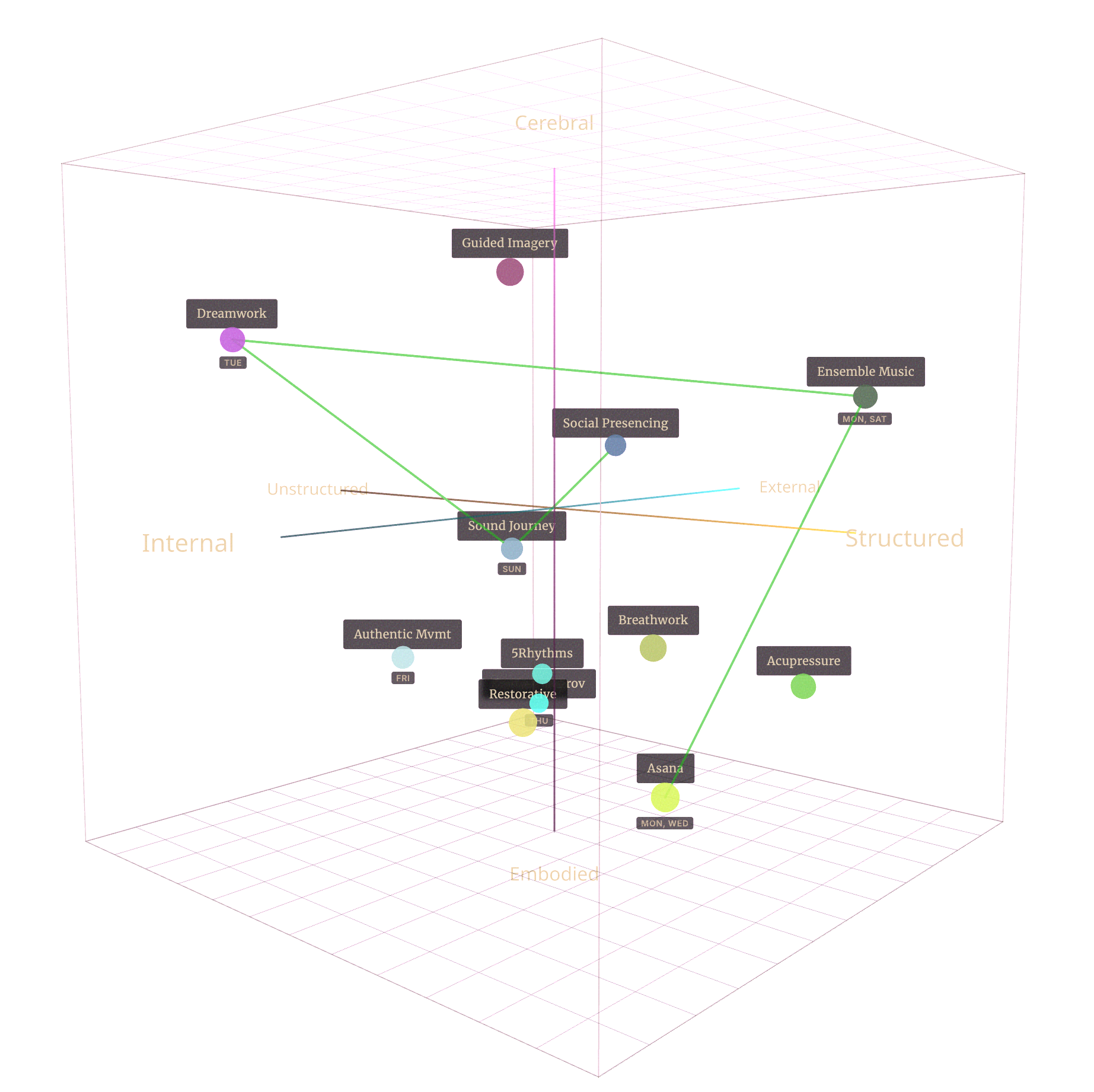
Practice unfolds in time
A map gives me a view of where practices sit and what state each is built to meet. My body, mind, and enviornment, however, are never still. Each day arrives with a different salient feeling, an emotion, memory, or thing I have to do. With these changes, the same practice can land entirely differently: one day a long held pose is exactly the structure I needed, at another it is an evasion of something that needs attending to. The work of centering is to meet each day with grace, lean into what today calls for, and find balance over time.
The compass work
A map on its own is a catalog. What turns it into navigation is the compass — the felt sense of direction that lives in the body, in the breath, in the voice, in the nervous system’s quiet signaling. The compass is what tells you which way is true today, and it is trainable. That training is the central work of restorative and contemplative practice. Yoga and functional conditioning teach the body to be readable to itself. Meditation and breathwork settle the nervous system enough that quieter signals can be heard. Sound and voice open channels of expression that the cognitive mind doesn’t easily reach. These are slow practices, and their function is the work of becoming legible to oneself, so that direction stops being a guess and starts to be something you can feel.
From self to system
Inspired by this journey and research, I set out to create a studio container to invite people into the process of discovering what personal alignment can be. It's called Third Hand. In Katonah yoga language, the Third Hand refers to a quality of coherence, the meeting of the implicit (the personal) with the explicit (the world). Think of this like your own two hands pressing together to find a current, or another person’s hand offering a support steady enough that you can find a new pose or perspective.
The Third Hand system works across individual and collective experience, supporting the practice of returning to a workable center inside one’s own life to support healing and creativity. I also co-founded Togethering to support organizational change, working with the dynamics of groups, teams, and the larger systems they operate inside of. The cool part is that the methods of mapping and developing a personal or collective compass support each other — individual orientation feeds relational coherence, and relational coherence feeds the capacity of individuals to act with agency.
So, are we aligned?
Asking the question "are we aligned?" turns out to be the wrong shape. There is no fixed point we could be aligned to, and a group nodding in agreement is not the same as sharing a mutual understanding of what is truly present in each of us and together. What I can do — what I am interested in practicing, alone and with others — is to keep checking in: With the body I’m in, the relationships I am part of, and the environments I move through. The mind-body, the social-body, and the earth-body. Alignment, finding center, is an ongoing practice. The work of staying in balanced motion while remaining in relationship with everything that changes.
Personal and group sessions in yoga, somatics, breathwork, and sound — see current offerings. For Mapper access or facilitation, get in touch.