How do you put complex reporting in the room with readers?
Introduction
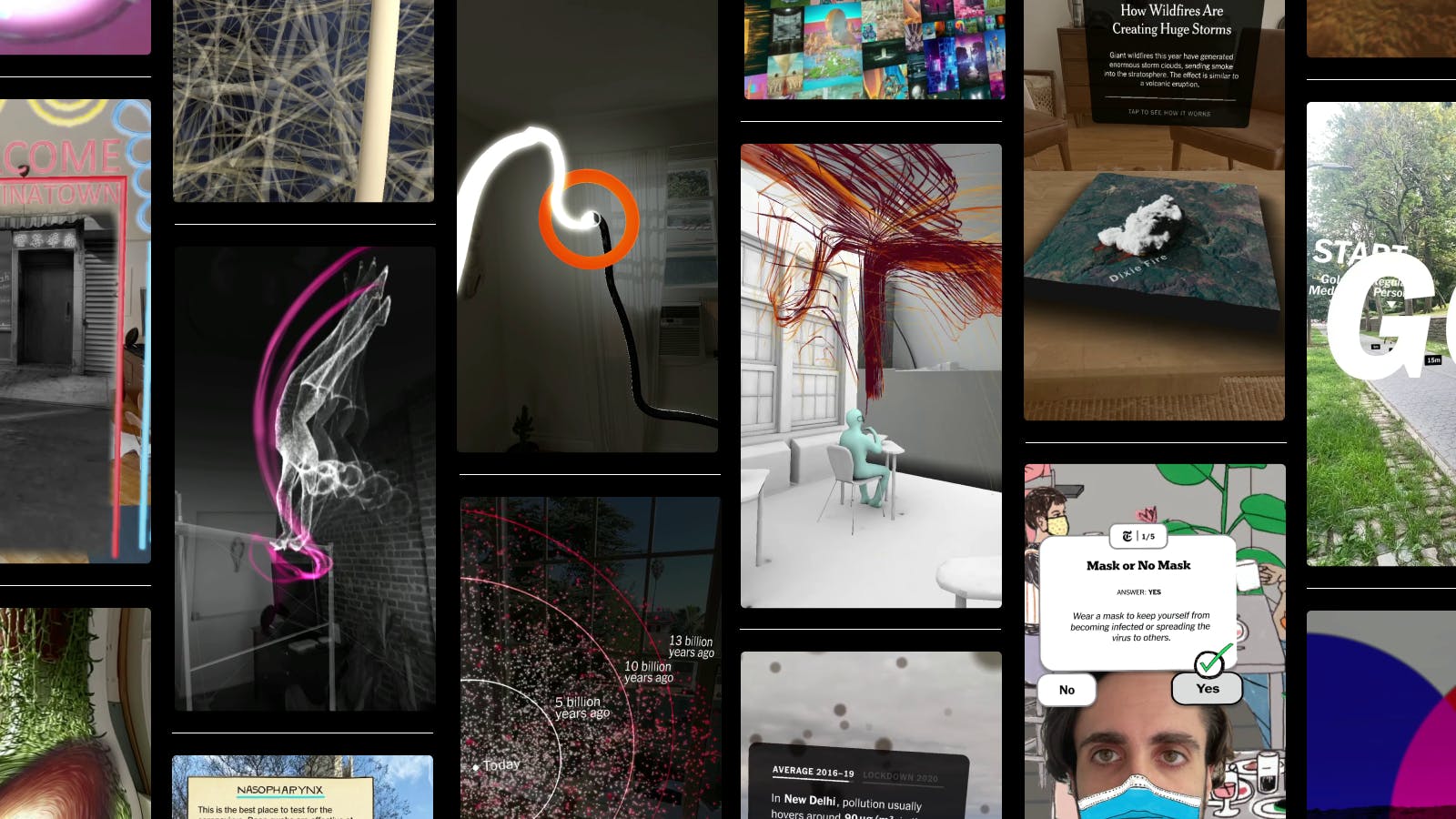
The Times has published dozens of augmented reality stories readers launch on their own phones and tablets—spatial explainer journalism that puts models, diagrams, and reporting in the room with you. R&D’s Showcasing 31 Published Experiments in AR Storytelling collects a cross-section of those shipped works, documenting years of experimentation translating complex topics into experiences you can walk around, inspect, and try yourself.
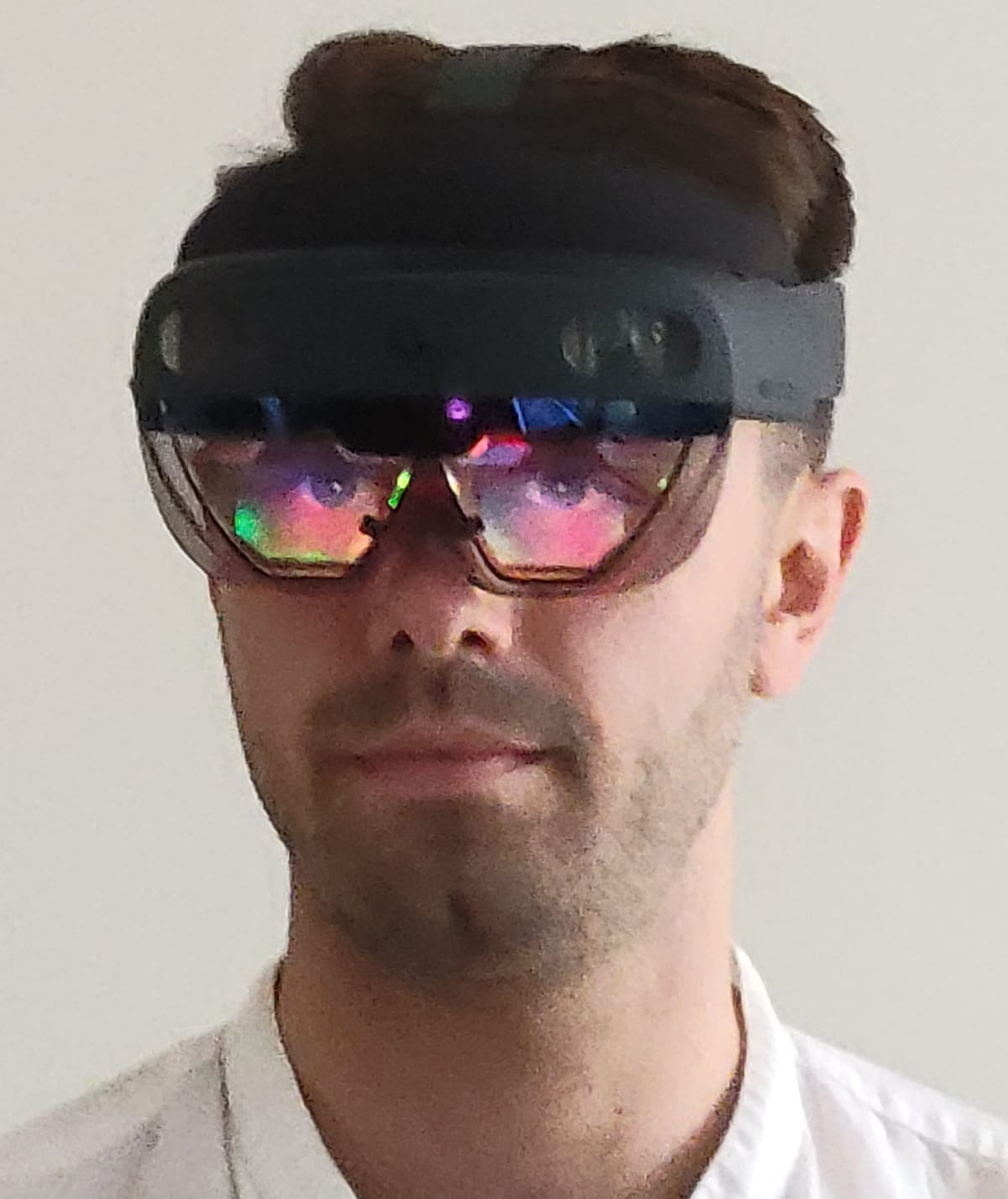
This work sits alongside the broader Inventing Newsroom Technology program—mixed-reality prototypes, reporter-facing tools, and headset-native design patterns—but AR on mobile was the most widely distributed form of spatial journalism at the Times during this period.
My role
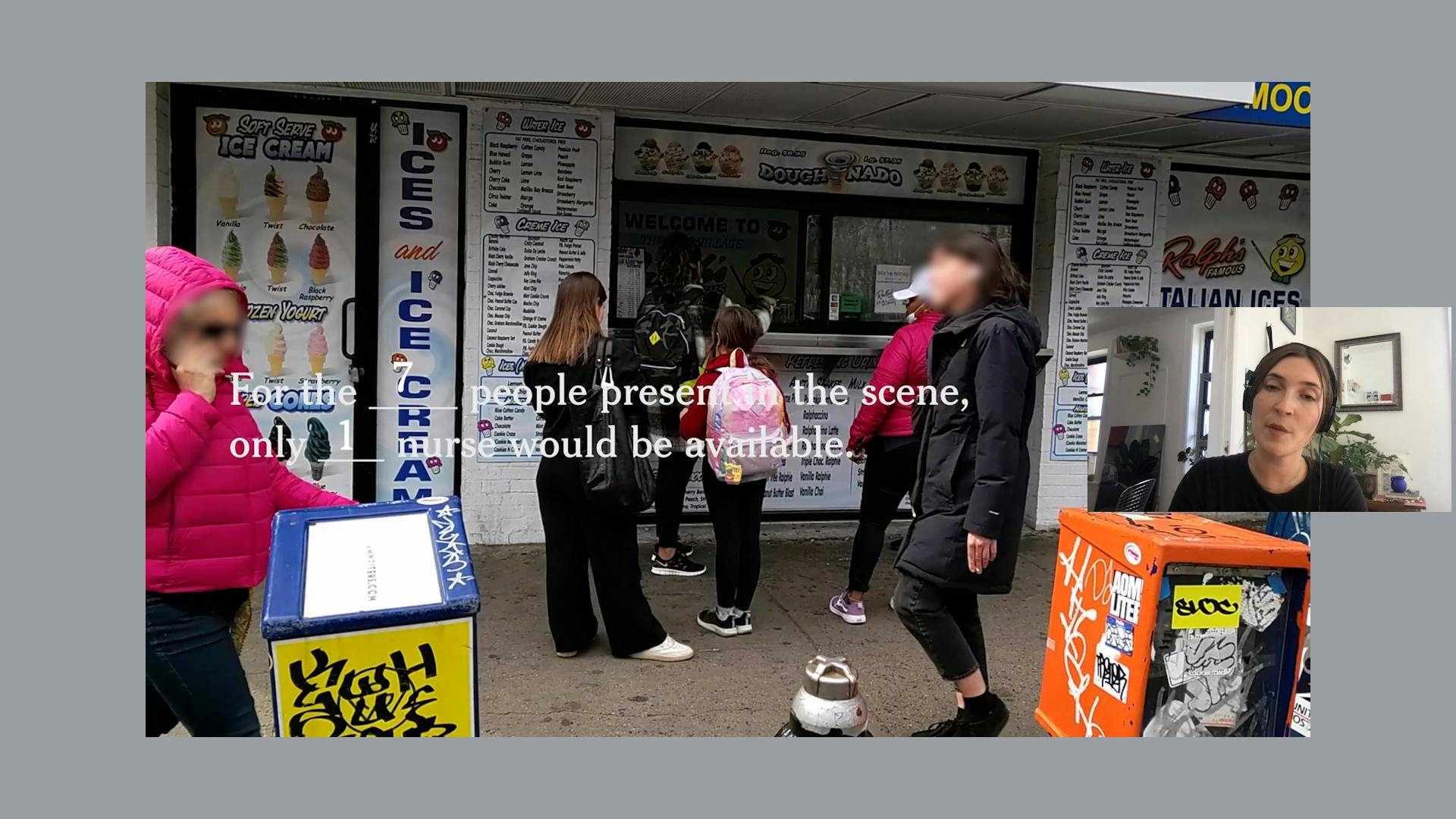
As production lead on NYT R&D’s Spatial Journalism team, I helped ship and document AR stories across newsroom platforms—coordinating engineers, designers, and newsroom partners from early concept through publication. That included production on the AR showcase itself, supporting integrations with Times apps, and publishing the Building Stories for AR Headsets series that explains how R&D builds and releases immersive news.
The through-line is the same across those experiments: make abstract reporting legible at human scale, keep editorial standards intact, and build repeatable workflows so spatial stories can ship on deadline—not only as one-off demos.
Project Credits & Information
- Project type
- Immersive
- Partner
- The New York Times
- Agency
- —
- Role
- Production
- Credits
- Produced by Maximilian Lauter, Lydia Jessup, Nicholas Bartzokas, Jeffrey Gray, Ellen Lo, Fabio Piparo, Noah Pisner and Pamela Assogba.
- Press
- —
- Website
- NYT R&D — AR Storytelling
- Date
- 2021–2022